
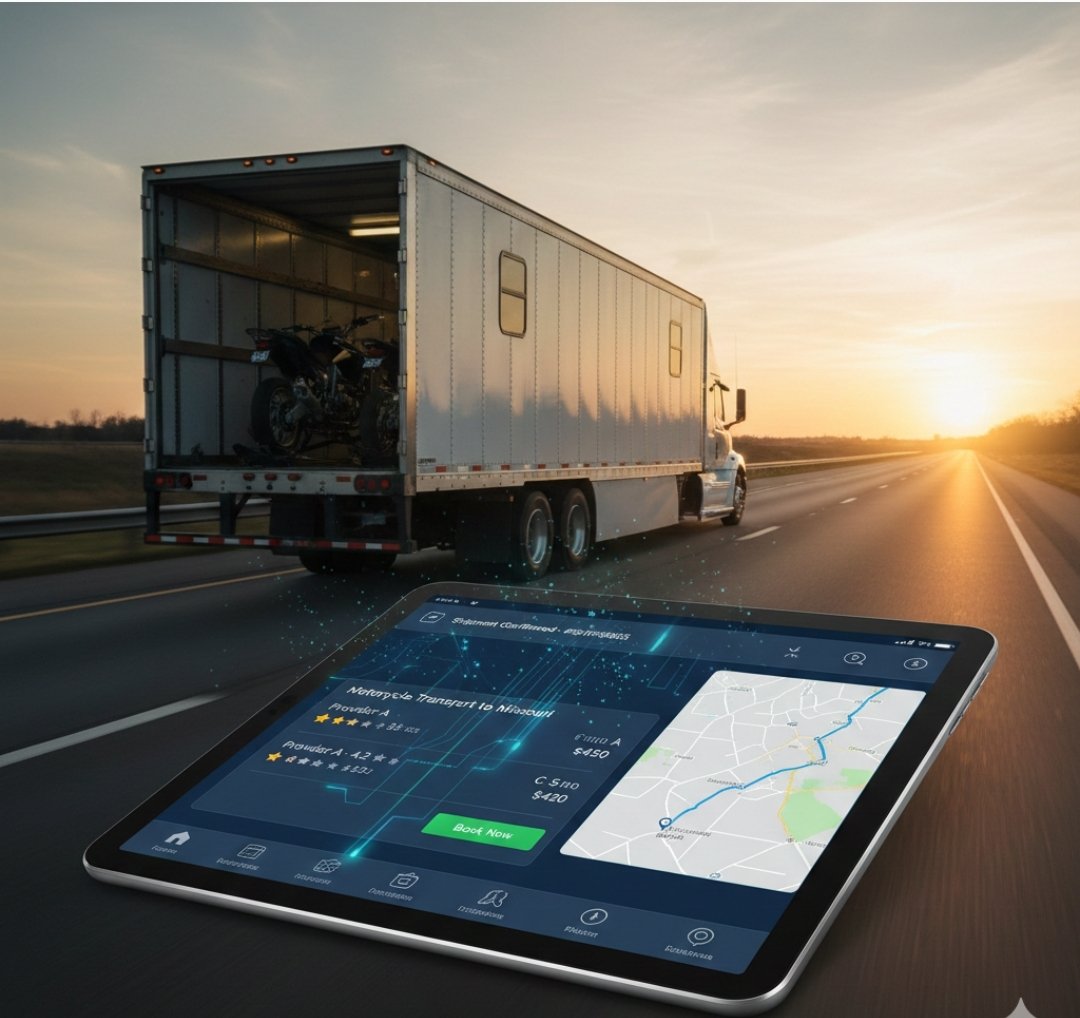
Digital marketplaces have quietly transformed many everyday processes, from shopping to accommodation and even professional services. Logistics is one area where this shift is having a particularly noticeable impact. What was once a time-consuming task involving phone calls, quotes, and uncertainty can now be managed through streamlined online platforms that prioritize clarity and efficiency.
logistics solutions
This change reflects a broader trend in technology. Convenience is no longer just about speed. It is about transparency, choice, and control. Digital marketplaces offer users the ability to compare options, understand pricing, and make informed decisions without unnecessary friction.
Bridging the Gap Between Online and Offline
Logistics sits at the intersection of digital planning and physical movement. While transportation itself happens in the real world, the decision-making process increasingly begins online. Marketplaces bring together service providers and customers in one place, creating a structured environment where needs and solutions meet.
This model removes much of the guesswork. Instead of searching blindly for providers, users can view multiple options side by side. Ratings, availability, and clear descriptions help set expectations before any commitment is made. The result is a smoother transition from planning to execution.
Technology as an Enabler, Not a Distraction
The most effective digital platforms do not overwhelm users with complexity. Their strength lies in making complex systems feel manageable. Behind the scenes, algorithms match requests with suitable providers, while interfaces present information in a clear and accessible way.
This approach allows individuals and businesses to focus on outcomes rather than processes. When logistics becomes easier to manage, it frees up time and mental space. That benefit extends beyond convenience and into productivity and peace of mind.
Smarter Solutions for Personal Transportation
Personal transportation logistics have also benefited from this shift. For urgent shipments or smaller freight loads that require rapid delivery, services like Hot Shot Trucking have become a practical option within modern digital logistics platforms.
Moving vehicles, including motorcycles, often requires coordination, trust, and careful planning. Digital marketplaces simplify this by centralizing information and communication.
Using options like Missouri-based motorcycle shipping illustrates how technology supports real-world needs. Instead of navigating the process alone, users gain access to a network of providers through a single digital touchpoint. This reduces uncertainty and improves decision-making.
Transparency Builds Confidence
One of the most valuable contributions of digital marketplaces is transparency. Clear pricing structures, visible timelines, and direct communication help build confidence. Users know what to expect and can plan accordingly.
This transparency also encourages accountability. Service providers operate in an environment where performance matters and feedback is visible. Over time, this dynamic raises standards and improves the overall experience for everyone involved.
A Shift Toward User-Centered Logistics
Platforms like Shiply represent a broader movement toward user-centered design in logistics. Technology adapts to real needs rather than forcing users to adapt to rigid systems. The focus is on flexibility, clarity, and practical outcomes.
When digital marketplaces simplify real-world logistics, they do more than save time. They reshape expectations. Logistics becomes something that supports modern life instead of complicating it. As technology continues to evolve, this blend of digital efficiency and real-world reliability will only become more essential.

